2026 Guide to Executive and Quarterly Business Reviews

Oni McNeil
-
July 3, 2024
-
5 min

Updated for 2026
Business reviews remain a core part of how Customer Success teams stay aligned with customers, track progress, and guide next steps. Over time, these conversations have evolved in how they are structured, supported, and delivered, reflecting changes in how Customer Success teams operate.
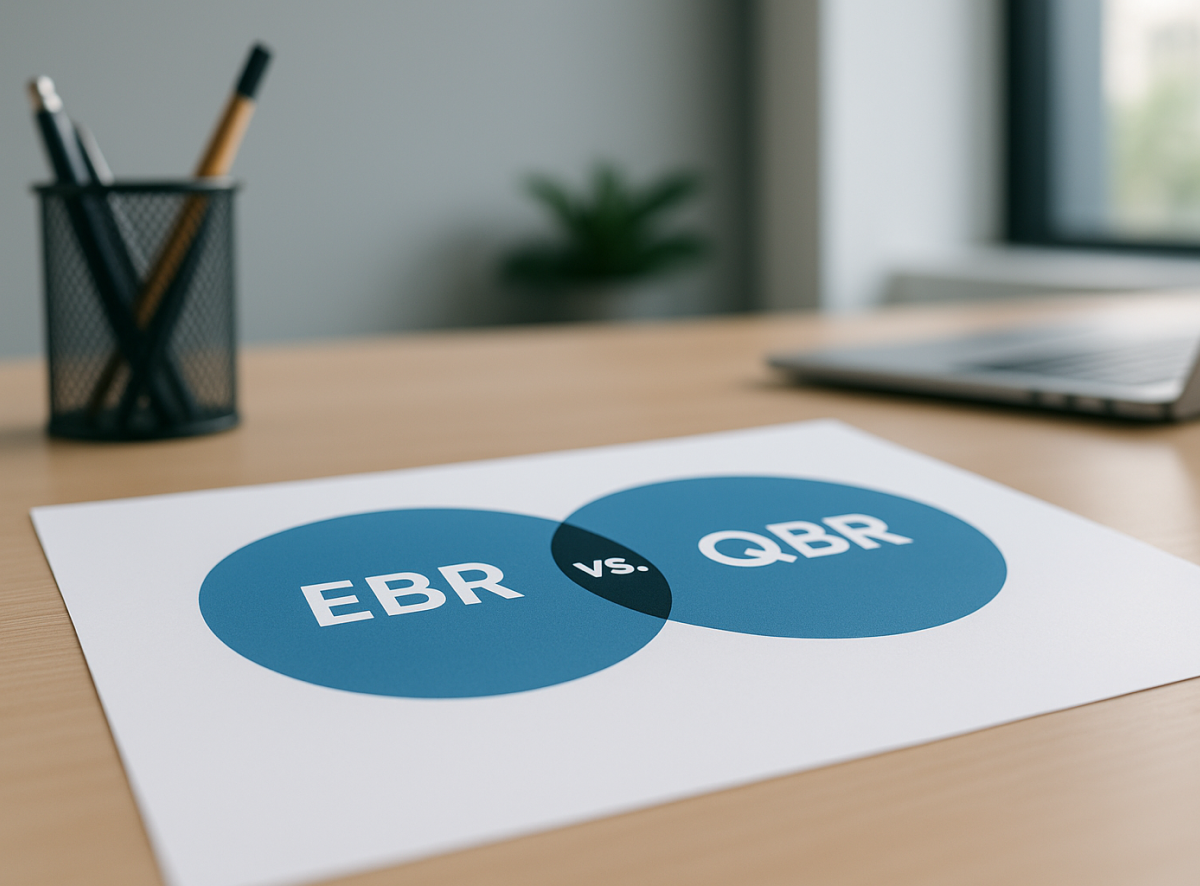
Executive Business Reviews (EBRs) and Quarterly Business Reviews (QBRs) still serve distinct purposes, but in a more digital Customer Success environment, the differences are now shaped by cadence, audience, and data sources in addition to format. As teams adopt more automated, data-driven content workflows, both types of reviews have become easier to scale and more consistent across accounts.
Understanding how EBRs and QBRs differ today helps CS teams design review motions that fit modern customer expectations while making better use of time and data.
An Executive Business Review is a strategic conversation, typically held annually or semi-annually, and designed for senior leaders on the customer side. The goal is to step back from day-to-day usage and focus on how the partnership supports broader business priorities.
In 2026, EBRs focus on reinforcing alignment. These conversations center on value realization milestones, progress against agreed outcomes, and how the product continues to support the customer’s strategy.
Because executives expect clarity and relevance, EBRs increasingly rely on standardized, automated content pulled from trusted data sources. This ensures that metrics, benchmarks, and narratives are consistent across accounts and ready to review without extensive manual preparation.
A Quarterly Business Review is a more frequent, operational conversation, usually held with day-to-day stakeholders and functional leaders. These meetings focus on how the product is being used and how adoption supports near-term objectives.
QBRs in a digital CS environment still happen on a regular cadence, but the format has become more flexible. Some teams run live meetings, while others deliver asynchronous reviews supported by automated decks or summaries.
QBRs emphasize detail and momentum. Teams review adoption patterns, feature usage, and workflow engagement, then connect those insights to practical recommendations. AI-assisted analysis often helps surface trends and suggest next steps, allowing the conversation to focus on action rather than data gathering.
One of the biggest shifts in recent years is how CS teams think about cadence. Rather than treating EBRs and QBRs as rigid formats, teams design them as part of a broader review strategy.
Automated, data-driven content has become the foundation for both types of reviews. Teams rely on standardized templates that pull live data and apply consistent narratives instead of rebuilding decks for every meeting. This reduces preparation time and makes it easier to deliver the right level of detail to the right audience.
As a result, EBRs and QBRs feel more connected. QBRs build the evidence and momentum that feed into EBRs, while EBRs help set the direction that shapes future QBR discussions.
An EBR is designed for executives and focuses on strategic alignment, value realization, and long-term partnership goals.
A QBR is designed for operational stakeholders and focuses on adoption, usage patterns, and near-term opportunities to get more value from the product.
EBRs typically emphasize:
QBRs typically emphasize:
EBRs stay high-level and outcome-focused, with an emphasis on clarity and alignment.
QBRs go deeper into the data, using more granular insights to guide practical next steps.
Both EBRs and QBRs play an important role in helping customers understand the value they are getting from a product. In a Digital CS environment, the distinction between them is less about the meeting itself and more about the conversation it supports.
EBRs provide space for strategic alignment and long-term planning. QBRs keep teams focused on adoption, progress, and continuous improvement. When both are supported by automated, data-driven content, they become easier to deliver, more consistent across accounts, and more useful for customers.
Used together, EBRs and QBRs help Customer Success teams stay aligned with customers throughout the lifecycle and ensure that every conversation builds toward meaningful outcomes.
---
Curious About Applying These Insights? Book a Demo

Updated for 2026
Business reviews remain a core part of how Customer Success teams stay aligned with customers, track progress, and guide next steps. Over time, these conversations have evolved in how they are structured, supported, and delivered, reflecting changes in how Customer Success teams operate.
Executive Business Reviews (EBRs) and Quarterly Business Reviews (QBRs) still serve distinct purposes, but in a more digital Customer Success environment, the differences are now shaped by cadence, audience, and data sources in addition to format. As teams adopt more automated, data-driven content workflows, both types of reviews have become easier to scale and more consistent across accounts.
Understanding how EBRs and QBRs differ today helps CS teams design review motions that fit modern customer expectations while making better use of time and data.
An Executive Business Review is a strategic conversation, typically held annually or semi-annually, and designed for senior leaders on the customer side. The goal is to step back from day-to-day usage and focus on how the partnership supports broader business priorities.
In 2026, EBRs focus on reinforcing alignment. These conversations center on value realization milestones, progress against agreed outcomes, and how the product continues to support the customer’s strategy.
Because executives expect clarity and relevance, EBRs increasingly rely on standardized, automated content pulled from trusted data sources. This ensures that metrics, benchmarks, and narratives are consistent across accounts and ready to review without extensive manual preparation.
A Quarterly Business Review is a more frequent, operational conversation, usually held with day-to-day stakeholders and functional leaders. These meetings focus on how the product is being used and how adoption supports near-term objectives.
QBRs in a digital CS environment still happen on a regular cadence, but the format has become more flexible. Some teams run live meetings, while others deliver asynchronous reviews supported by automated decks or summaries.
QBRs emphasize detail and momentum. Teams review adoption patterns, feature usage, and workflow engagement, then connect those insights to practical recommendations. AI-assisted analysis often helps surface trends and suggest next steps, allowing the conversation to focus on action rather than data gathering.
One of the biggest shifts in recent years is how CS teams think about cadence. Rather than treating EBRs and QBRs as rigid formats, teams design them as part of a broader review strategy.
Automated, data-driven content has become the foundation for both types of reviews. Teams rely on standardized templates that pull live data and apply consistent narratives instead of rebuilding decks for every meeting. This reduces preparation time and makes it easier to deliver the right level of detail to the right audience.
As a result, EBRs and QBRs feel more connected. QBRs build the evidence and momentum that feed into EBRs, while EBRs help set the direction that shapes future QBR discussions.
An EBR is designed for executives and focuses on strategic alignment, value realization, and long-term partnership goals.
A QBR is designed for operational stakeholders and focuses on adoption, usage patterns, and near-term opportunities to get more value from the product.
EBRs typically emphasize:
QBRs typically emphasize:
EBRs stay high-level and outcome-focused, with an emphasis on clarity and alignment.
QBRs go deeper into the data, using more granular insights to guide practical next steps.
Both EBRs and QBRs play an important role in helping customers understand the value they are getting from a product. In a Digital CS environment, the distinction between them is less about the meeting itself and more about the conversation it supports.
EBRs provide space for strategic alignment and long-term planning. QBRs keep teams focused on adoption, progress, and continuous improvement. When both are supported by automated, data-driven content, they become easier to deliver, more consistent across accounts, and more useful for customers.
Used together, EBRs and QBRs help Customer Success teams stay aligned with customers throughout the lifecycle and ensure that every conversation builds toward meaningful outcomes.
---
Curious About Applying These Insights? Book a Demo